Data collection, built for the engine room.
Our equipment collects high-frequency data from the sensors your vessels already have, processes it on board, and sends the office data that has already been checked. Navigation, main and auxiliary engines, fuel, alarms and weather: the signals the vessel already produces, kept in full and yours to use.


Engineered for the marine environment.
An engine room is hot, humid, electrically noisy and a long way from a technician. Equipment that is not built for it fails, and the data stops. Ours is built for it.
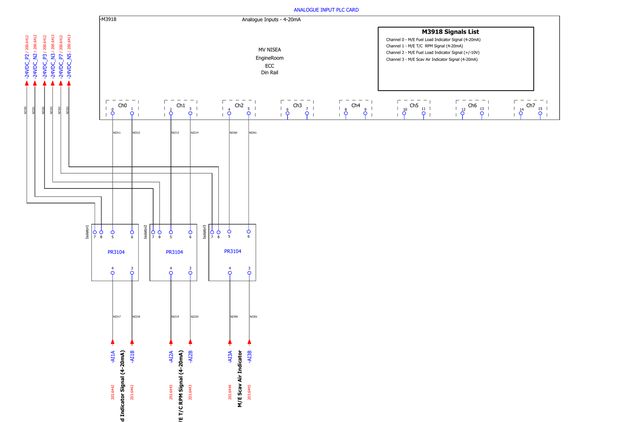
- Circuit isolation on every connection, so a fault on one sensor cannot reach another, or the vessel's own systems.
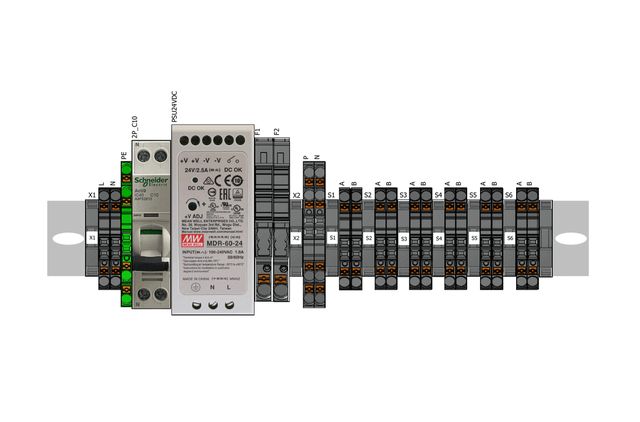
- Marine-approved components, selected and certified for use at sea, inside a steel enclosure made for the space it goes in.
- Works with the sensors already on board. Nothing needs replacing to start; the installation is measured in days, not dry-dockings.
It keeps working, and it keeps the office informed.
A vessel is out of reach more often than anyone ashore likes to admit. We put the processing on board, so nothing depends on the link.
- Checks run on the vessel. Every reading is questioned where it is made, and the office receives data that has already been checked.
- Works through lost connectivity. Data is kept on board and sent when the link returns; nothing is lost in between.
- Light on bandwidth. Transfers are compressed and scheduled to fit the connection a vessel actually has.
Documentation you can use, and people who answer.
A system the crew cannot maintain is a system that stops being read. Every installation is delivered with what is needed to keep it running, even without us.
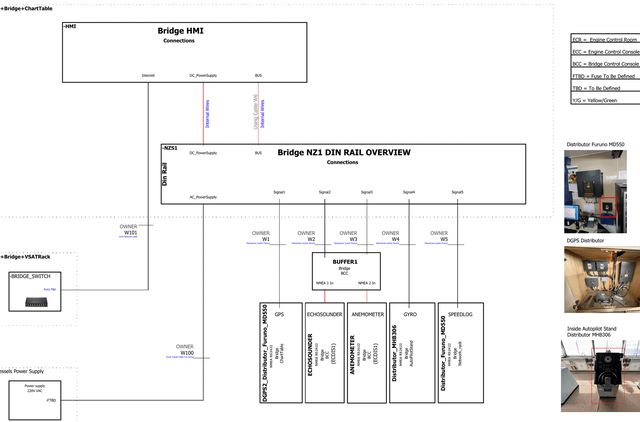
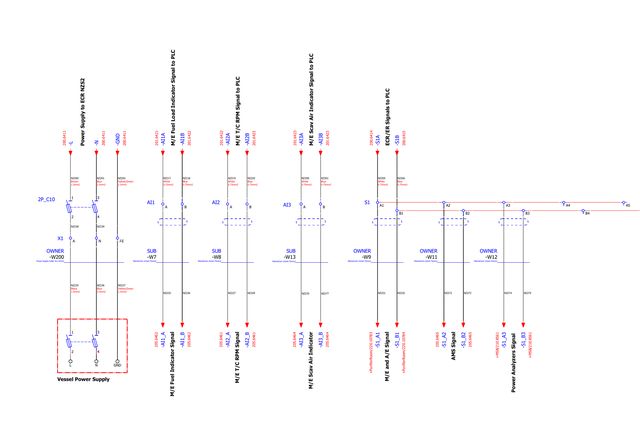
- System manuals with diagrams, written for the crew that will open the cabinet.
- Troubleshooting guides for the common questions, so most issues are settled on board the same day.
- Support with domain expertise. Marine automation people who know the vessel answer, from commissioning onwards.